Ian Davidson and Chris Tzaros write about the birds, reptiles, mammals and trees of north-east Victoria: where to find them, how to recognise them and why they matter.
Bird
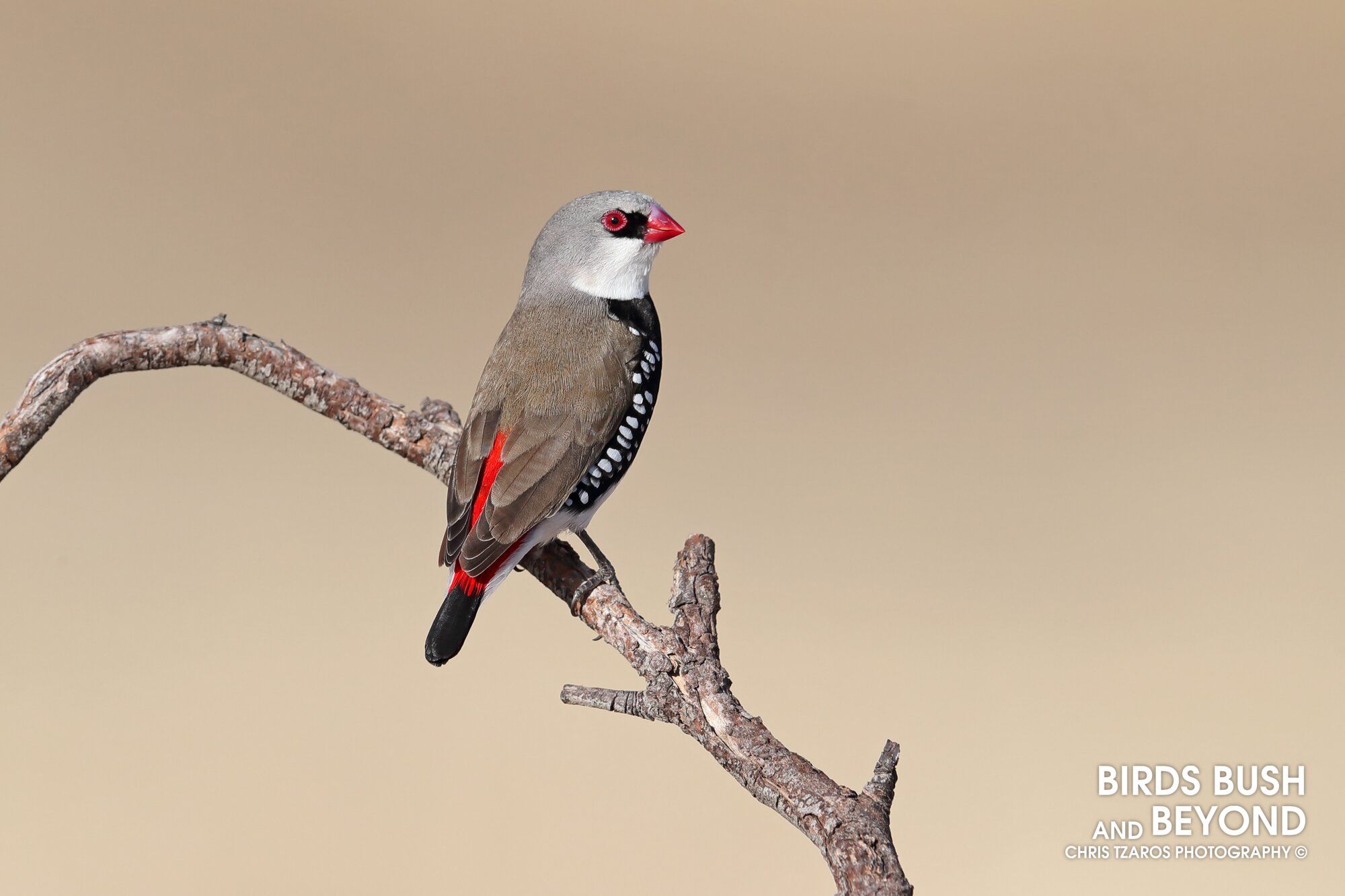
Diamond Firetail: diamonds in the rough
The Diamond Firetail is one of the most striking small birds of north-east Victoria's grassy woodlands. How to identify it, why the males with the most spots win, and where to find it in the Warby Ranges and around Eldorado.
Tree
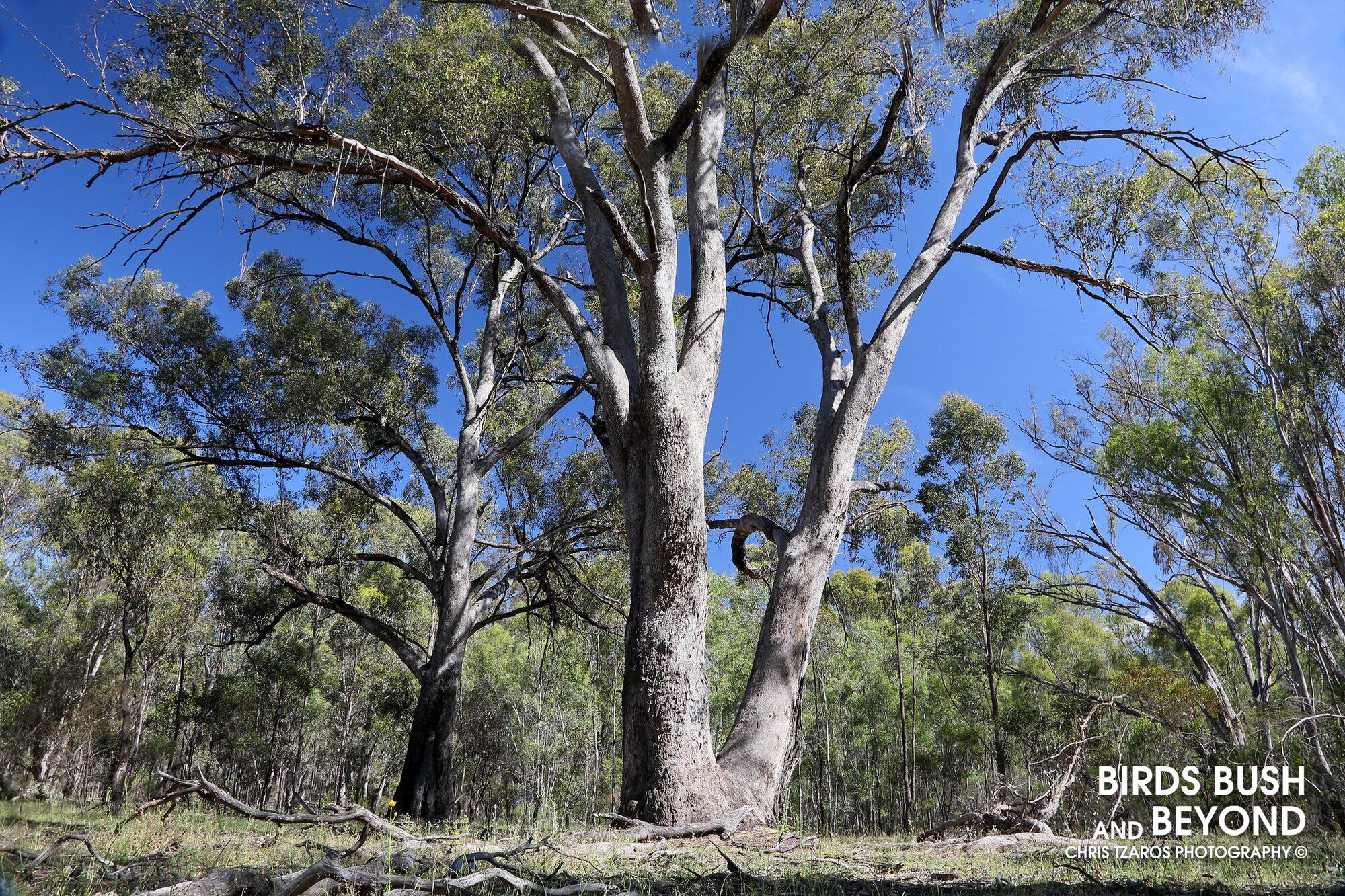
Grey Box: a woodland tree worth saving
Grey Box woodlands once covered the drier plains of north-east Victoria. How to recognise the tree, why the remnants along roadsides around Killawarra and Chiltern matter, and the wildlife that depends on them.
Bird
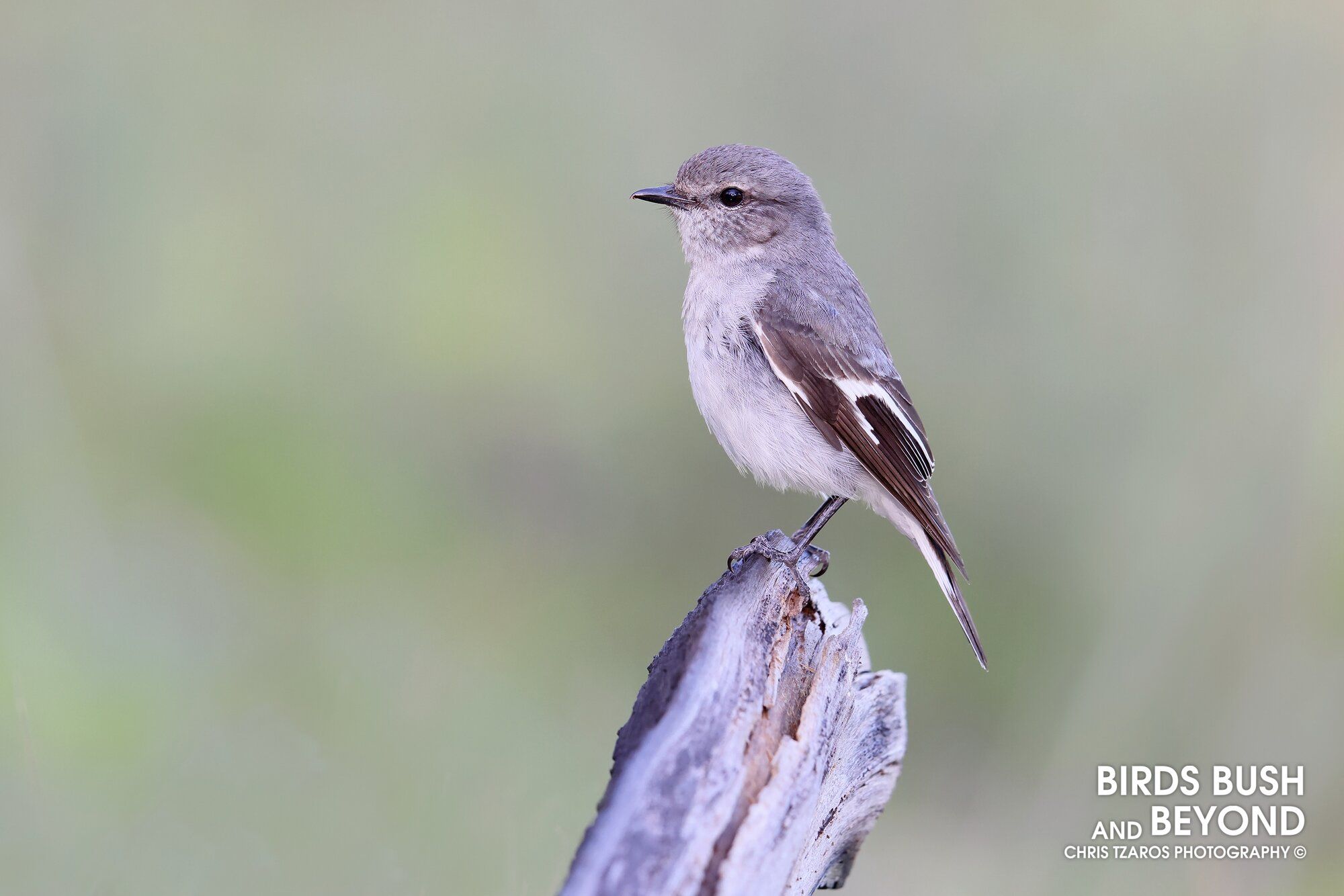
Hooded Robin: a special bird of our woodlands
The Hooded Robin is a threatened black and white robin of north-east Victoria's open woodlands. How to tell males from females, what habitat it needs, and where to see it in the Warby Ranges and the Eldorado and Lurg hills.
Bird
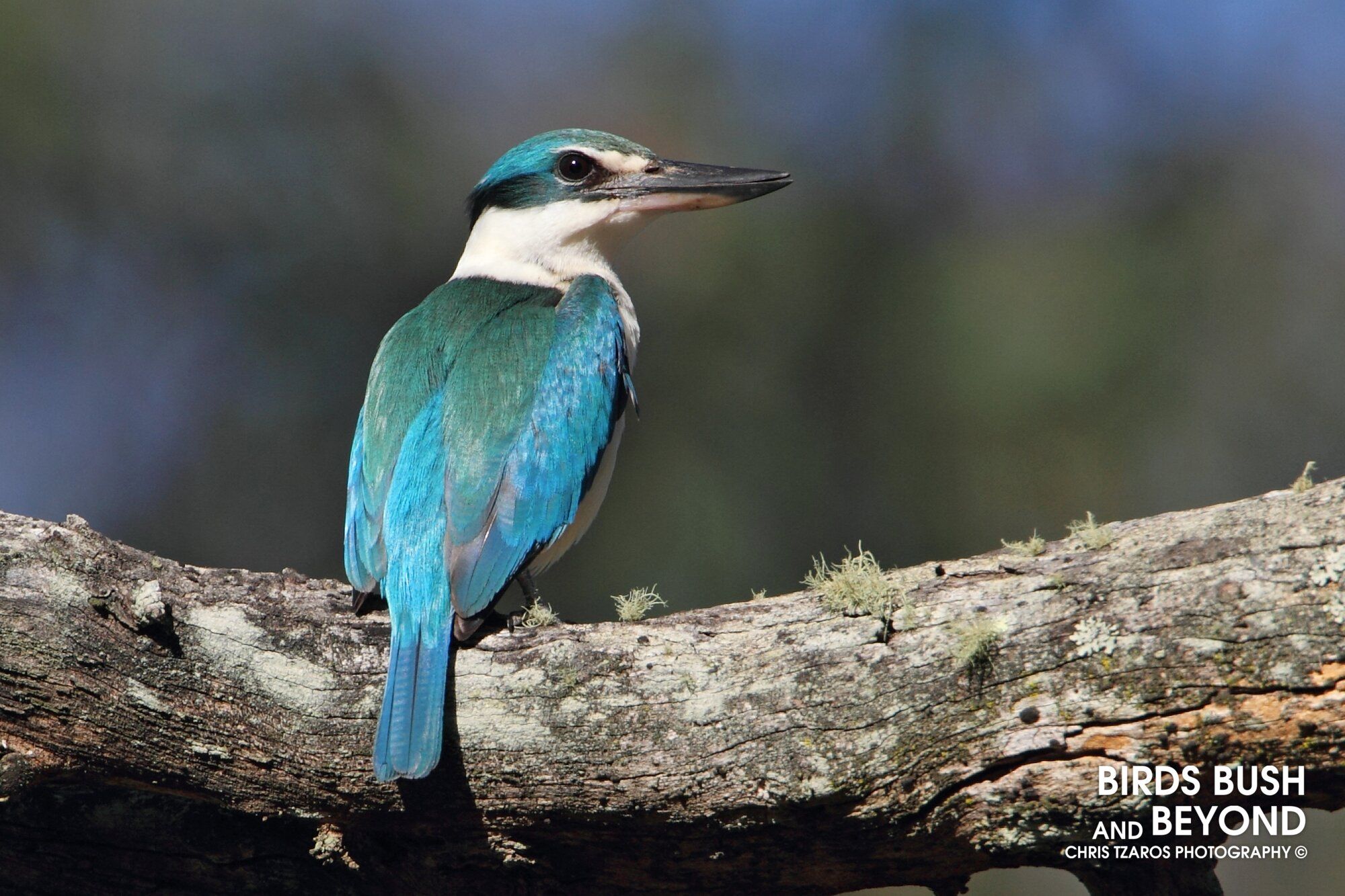
Sacred Kingfisher: a warm-season visitor
Each spring the Sacred Kingfisher returns to north-east Victoria to breed in hollows in red gums and box trees. How to recognise it, what it eats (rarely fish), and when it leaves for the tropics.
Bird
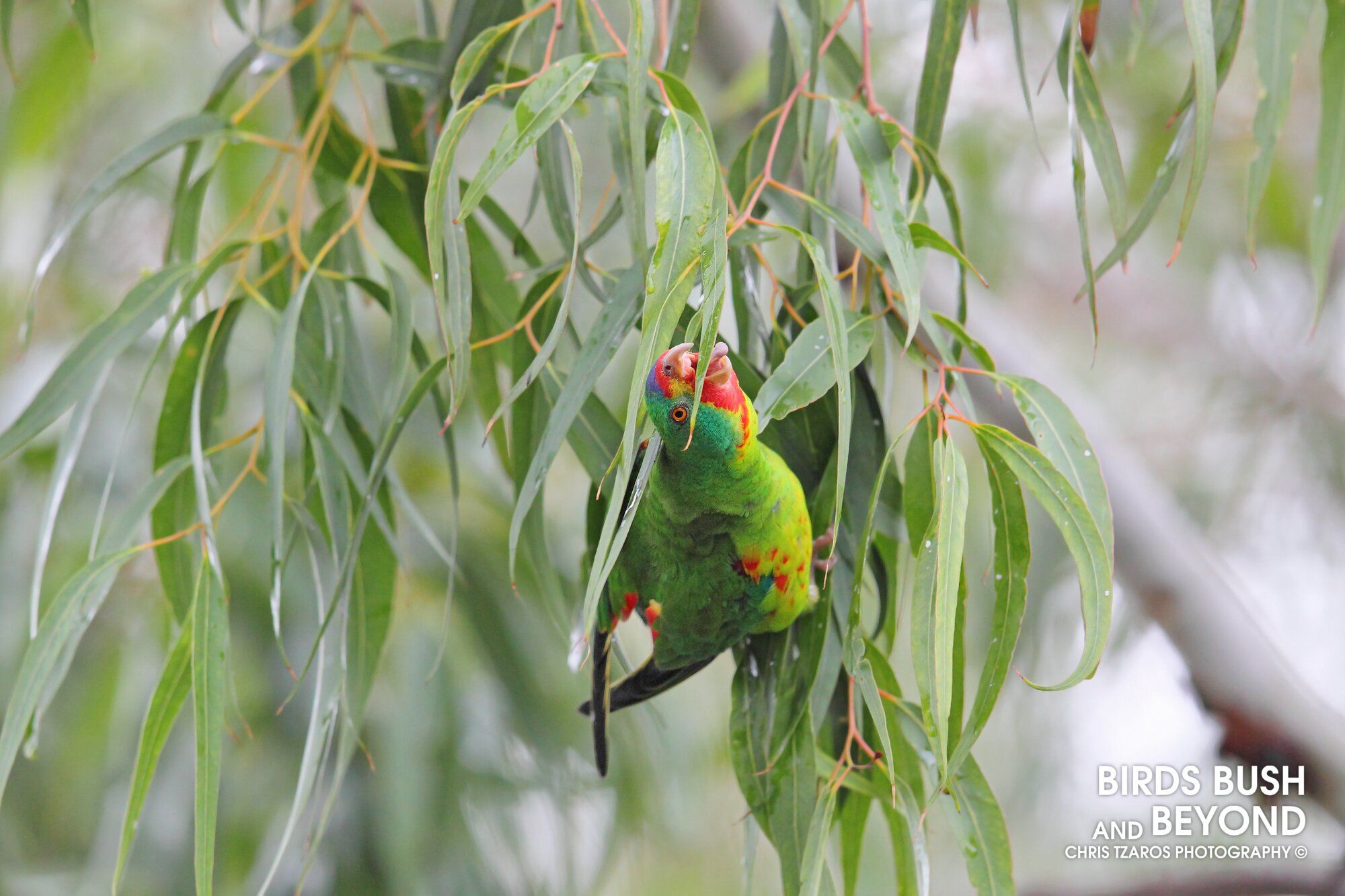
Swift Parrot: swift by name, swift by nature
The Critically Endangered Swift Parrot migrates from Tasmania to north-east Victoria each autumn. Where to look for it around Killawarra, Chiltern and Glenrowan West, and why it is in trouble.