Dragonflies galore: a boom after good rains
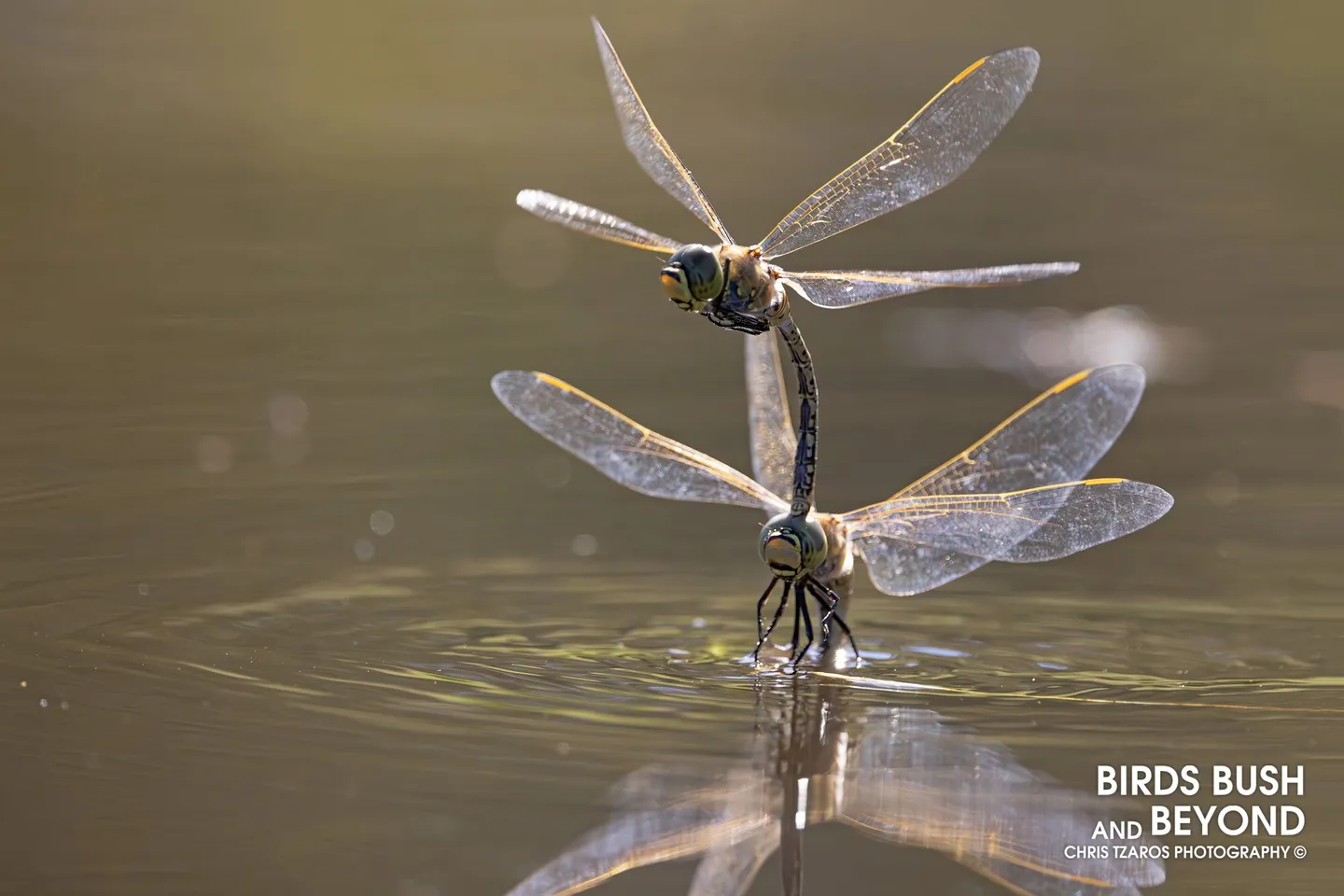
One of the great things about spring, especially after good winter rains, is the abundance of wildlife and plants that appear. In seasons like this we can be treated to an astonishing number and variety of dragonflies. They are fast-flying insects with a long, thin body, two pairs of clear, veined wings, and huge eyes that cover most of the head. They are expert aerial hunters that catch mosquitoes and other small flying insects.
What drives a dragonfly boom
Booms of dragonflies across north-east Victoria are driven by sustained high rainfall, a sudden surge in food, and seasonal temperatures that speed up their life cycle. Good rainfall leaves the region's rivers, creeks, farm dams and floodplains full, providing the aquatic habitat they need to lay eggs and grow.
The same conditions trigger an explosion of mosquitoes and other small insects across our waterways. Because mosquitoes are a primary food source, adult dragonflies have plenty to eat.
A sudden warm start to the season also warms shallow waterways, ponds and wetlands. This rise in temperature signals thousands of hidden aquatic nymphs to transform and grow wings all at once, creating highly visible swarms of adults rather than a gradual emergence.
From mudeye to dragonfly
Dragonfly reproduction involves an aerial courtship, a special 'mating wheel', and egg-laying in or near fresh water. Some pairs stay joined while the female lays her eggs, as the pair in the photo above is doing. The eggs hatch into nymphs, known as mudeyes, and this is where dragonflies spend most of their life, from a few months to several years.
Nymphs sit quietly on the bottom of a wetland or on aquatic plants, waiting for prey to wander close. They are ferocious predators that eat almost any moving animal smaller than themselves, from mosquito larvae to small fish. When it is ready, the nymph emerges at night or early in the morning and crawls out of the water onto a plant stem, reed or rock. There its exoskeleton dries and splits, and the adult dragonfly emerges.
Where to see them
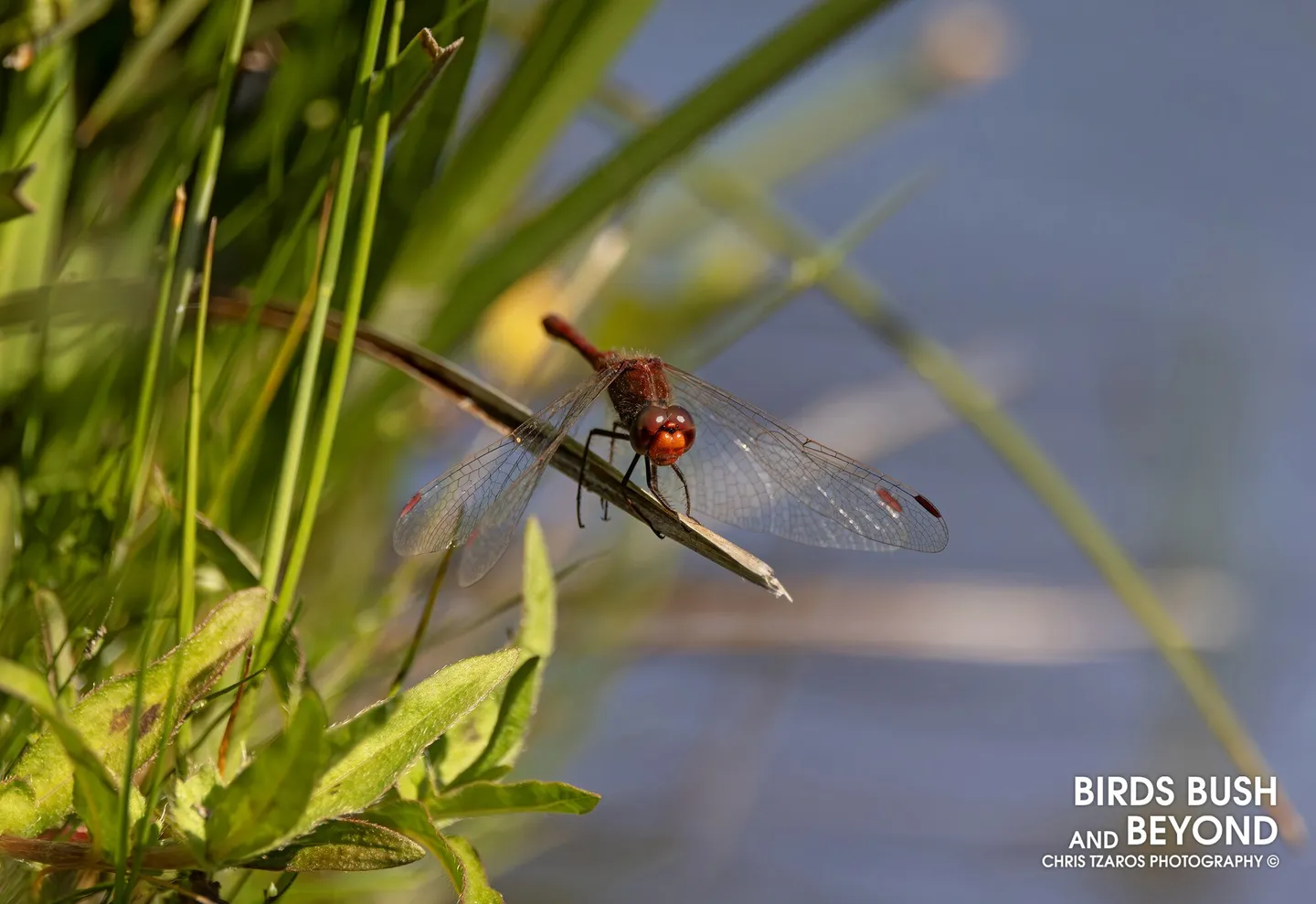
It is wonderful to simply watch dragonflies over our waterways, wetlands, dams and ponds in a good season, as they show off their incredible aerobatics and speed. Make the most of this natural spectacle when it comes, and record what you see in the free Covram Field App.

Ian Davidson
Ian is the founder of Covram.

Chris Tzaros
Chris runs Birds Bush and Beyond.
Northeast Naturally first appeared as a weekly column in the Wangaratta Chronicle.
Dollarbird: a summer acrobat
The Dollarbird spends summer in north-east Victoria, nesting in hollows in the red gums along our rivers. How to recognise it, how it got its name, and where to see it around Wangaratta before it returns to New Guinea.
Grey Box: a woodland tree worth saving
Grey Box woodlands once covered the drier plains of north-east Victoria. How to recognise the tree, why the remnants along roadsides around Killawarra and Chiltern matter, and the wildlife that depends on them.