Helping wildlife survive heat waves
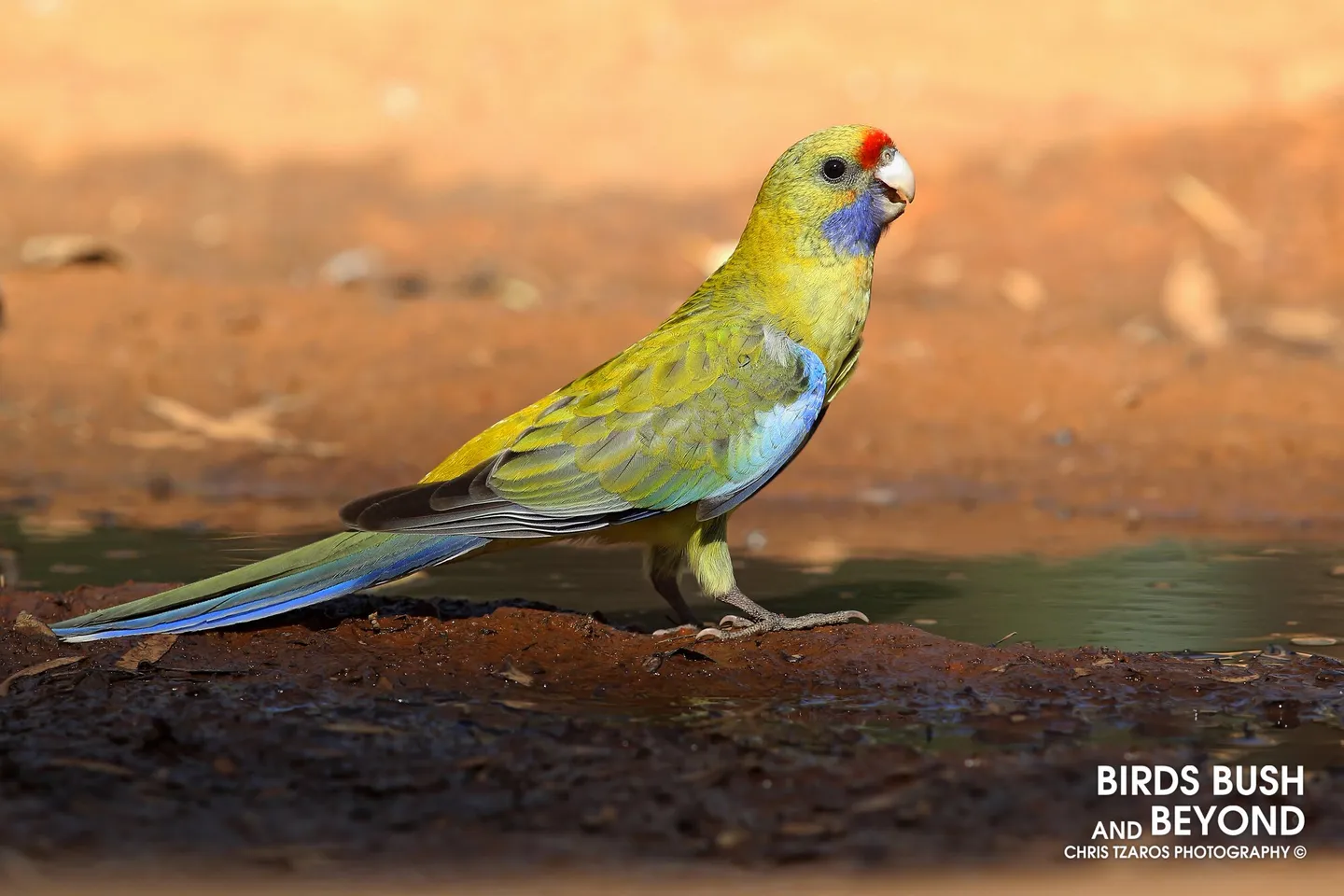
Heat waves have severe effects on all of us, and their effects on wildlife can be devastating. They differ from normal summer weather in bringing extreme temperatures for short periods that can be fatal. Just like people, most wildlife needs adequate shelter and water to escape the heat. Here are some practical ways to help our wildlife, both immediately and in the long term.
Shade and shelter
The main shelter wildlife needs is shade from the direct sun. When the air temperature is above 35 degrees Celsius, bare ground may be 20 to 30 degrees hotter. In simple terms, no wildlife can survive in the open during the day in a summer heat wave.
Shade comes in many forms. Reptiles and frogs, when the wetlands are dry, often use dense grass or rush tussocks, while many small birds shelter in dense low and mid-level shrubs and open their beaks and wings to lose heat. Koalas are known to climb down and shelter on the shady side at the base of a tree. The species best able to handle these conditions are those that can burrow, such as echidnas and wombats.
Tree hollows and nest boxes
Many animals shelter during the day in tree hollows, including mammals such as possums and bats, and nocturnal birds such as owls. Generally this works well, but if a hollow is exposed to the sun or isn't very deep, the animals must try to escape to a cooler resting place.
This is particularly important for anyone putting up nest boxes: make sure they face a shady aspect, usually south or east. Shelter also matters from prevailing hot winds, usually from the north and west.
Water
The other vital element is access to water. Unlike shade and shelter, which are long-term fixes, water can be provided easily, with bird baths and the like in parks and gardens. Fill them daily during a heat wave and empty them weekly so they don't breed mosquitoes.
Why our waterways matter
All of this points to the importance of the magnificent timbered waterways throughout our region. Go for a walk early in the morning along one of them during hot weather and you'll see how much wildlife survives heat waves there. If you see wildlife sheltering or drinking during a heat wave, record it in the free Covram Field App.

Ian Davidson
Ian is the founder of Covram.

Chris Tzaros
Chris runs Birds Bush and Beyond.
Northeast Naturally first appeared as a weekly column in the Wangaratta Chronicle.